
Exploring the Eucla Telegraph Station Ruins
The Nullarbor Plain, a vast expanse of treeless country, is steeped in history, much of it etched into the very land itself. One of the most evocative remnants of this past is the Eucla Telegraph Station. Perched on a cliff overlooking the Great Australian Bight, these ruins whisper tales of a time when communication was a monumental feat, connecting a continent and its people across immense distances. Exploring the Eucla Telegraph Station is more than just a visit to a historical site; it’s a journey back in time, a chance to connect with the pioneering spirit that shaped Australia.
A Glimpse into a Bygone Era
Established in 1877, the Eucla Telegraph Station was a vital link in the 1,900-kilometre overland telegraph line connecting Adelaide to Perth. Imagine the isolation, the relentless sun, the constant battle against the elements, and the sheer dedication required by the telegraph masters and their families who lived and worked here. The ruins, primarily stone foundations and scattered remnants, paint a vivid picture of the station’s former glory. As you walk amongst the weathered stones, try to picture the bustling activity, the clatter of Morse code, and the importance of this remote outpost in the grand scheme of communication.
The Strategic Location: A View to Remember
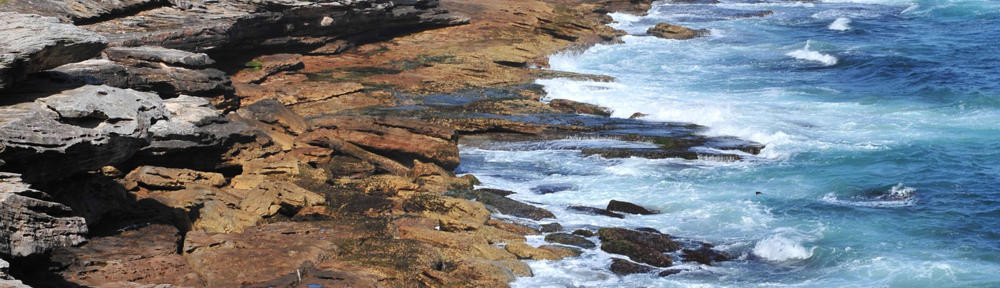
The choice of location for the telegraph station was no accident. Situated on a limestone cliff, it offered a commanding view of the surrounding landscape and, crucially, access to a reliable water source from a natural well. Today, standing at the edge of the ruins, you’re treated to breathtaking vistas of the Southern Ocean. The sheer drop to the turquoise waters below, the endless horizon, and the rugged coastline provide a dramatic backdrop that underscores the station’s isolation and significance. It’s a perfect spot for quiet contemplation, allowing you to absorb the immense scale of both the natural environment and the human endeavour that took place here.
The Well and Its Stories
One of the most important features of the Eucla Telegraph Station was its water supply. The natural well, still visible today, was crucial for survival in this arid region. It’s a testament to the ingenuity and resilience of the early settlers. Legend has it that the well was so deep and the water so vital that it played a significant role in the station’s ability to operate. Standing beside it, you can almost feel the history seeping from the earth, a reminder of the fundamental needs that drove human settlement in such challenging environments.
Exploring the Surrounding Landscape
Beyond the immediate ruins, the surrounding landscape offers its own stark beauty. The hardy scrub and sparse vegetation are a testament to the resilience of life on the Nullarbor. Take a moment to explore the immediate vicinity, always being mindful of the delicate ecosystem and respecting the historical significance of the site. The air here is often filled with the calls of seabirds and the gentle roar of the ocean, creating a truly immersive experience. Remember to wear sturdy shoes, as the terrain can be uneven.
Planning Your Visit
The Eucla Telegraph Station Ruins are located off the Eyre Highway, approximately 14 kilometres west of the South Australian border. While there are no facilities directly at the ruins, the nearby Border Village Roadhouse offers fuel, food, and accommodation. Allow yourself ample time to wander, to imagine, and to absorb the profound sense of history that permeates this remote and remarkable place. Visiting the Eucla Telegraph Station Ruins is an unforgettable experience for anyone interested in Australian history, pioneering spirit, and the enduring power of human connection across vast distances.